Operating a large fleet of tippers from their Longstanton base, G. Webb Haulage has been travelling the roads of the UK since 1947. Today, the company is still under the control of the Webb family and has expanded significantly since George Webb founded the company over 75 years ago. It runs over 55 trucks on bulk and aggregate haulage throughout the UK.
Expanding with new services
Under the leadership of Operations Director, Darren Allison, the company’s aggregates division has expanded their portfolio of operations. From simply transporting aggregates to and from site, they now offer both recycled and virgin aggregates operations, increasing the utilisation of the haulage fleet.
The mix of virgin quarry and recycling operations has called for an eclectic mix of kit to cope with the variety of material the sites handle. Little Paxton, on the side of the A14 near St Neots, handles recycled material with a range of wheeled loaders and crushing and screening plant. Meanwhile, the latest addition to the company’s portfolio, South Witham, offers both recycled material and virgin aggregates taken from a combination of yellow and blue limestone.
Reclaiming unwanted aggregates
Production of aggregates at South Witham is handled on one part of the expanding site by both mobile crushing and screening equipment and a wash plant. This generates a wide variety of high-quality aggregates, primarily from the large volume of unwanted material left on site by previous quarrying operations. “We have invested heavily on the site to allow us to reclaim materials that the site’s previous owners thought were unsuitable,” Assistant Quarry Manager, Dan Killner, commented. “This investment now allows us to produce a wide range of products from the site, and allows us to properly landscape the site as our work continues.”
Reclamation of previously discarded quarry materials at the site is one operation, while quarrying of the primary limestone is another important part of the development. “We don’t have a huge volume of material left at the southern end of the quarry to remove,” Dan comments. “But with this removed, it gives us access to land in which we are able to produce material suitable for the restoration of the site.”
New machines from Molson
Two recent additions to the fleet have come from the broad portfolio of machinery supplied by Avonmouth based Molson Group. “I have had a long relationship with the team at Webb,” the Molson Finlay Sales Manager, Steve Sanders, explains. “We have worked together previously, and since my arrival at Molson, Webb have been steadily adding premier Finlay jaw crushers to their portfolio.”
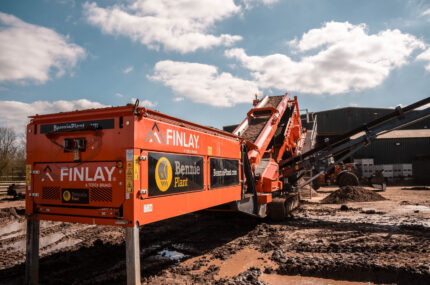
The Finlay name has long been associated with the mobile crushing and screening world. Known for building a high-quality and robust product line, the Northern Irish company is part of the Terex empire. In recent times they have dropped their parent company’s name, focusing on the traditional Finlay title for their jaw crushers and screening products.
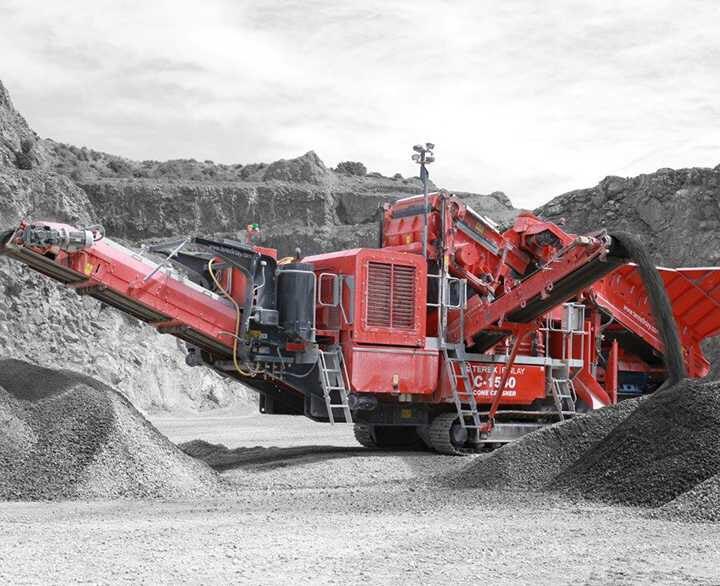
With almost 50 different models throughout the Finlay range, covering mobile crushing, screening and stacking products, the company can cater for almost every material and every conceivable production rate within a wide range of sectors. The company has also developed several alternative drive machines enabling operators to reap the benefits of reduced fuel consumption through the use of electric drive technology.
Finlay mobile crushing adds power
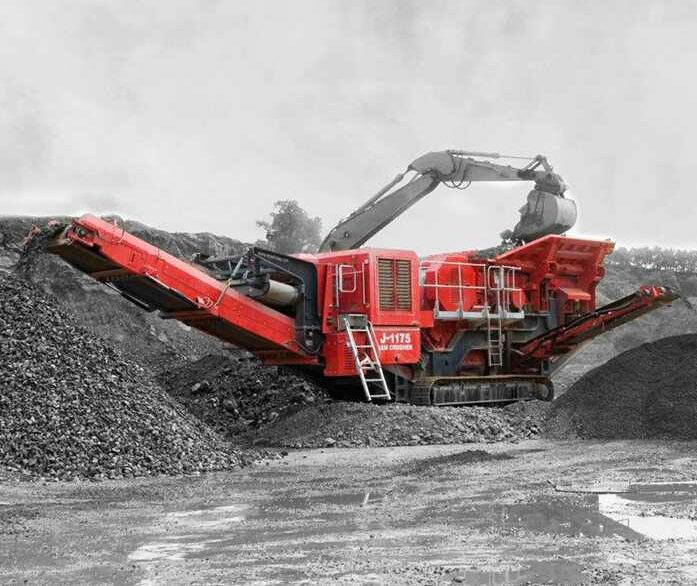
It is one of these Hybrid machines which has recently been delivered to Webb’s South Witham quarry. The Hybrid J-1175 Finlay jaw crusher offers operators the flexibility to power the plant either by mains electric connection or the onboard genset powerpack configuration, reducing both noise and fuel consumption.
The Finlay jaw crusher at South Witham is currently being used with the on-board genset option, resulting in significant servicing and maintenance cost savings when compared to a diesel/hydraulic powered plant. Another added benefit of the J-1175 is its ability to generate sufficient power to allow it to power downstream equipment such as suitable screening plants or stockpile conveyors.
The Finlay jaw crusher uses a robust Terex 1070 mm x 760 mm (42” x 30”) electrically driven single toggle jaw crusher to handle the material. Exceptionally quiet in operation, the Finlay jaw crusher is designed to handle both primary and recycled aggregates, and can have the jaw sizing setting changed hydraulically in a matter of minutes, reducing downtime.
“Primary aggregates are relatively easy to handle,” Dan comments. “We have to be a little more careful when it comes to recycled material as it can contain rebar and other products which can quickly block up the jaw and conveyors.”
Molson also adds Kobelco to Webb’s Finlay Fleet
The processing side of the business is steadily transforming to a Finlay-centric operation, thanks to both Seve’s relationship with the team and the high quality, high production kit he is able to offer. However, the relationship has also seen the first Kobelco excavator arrive on the fleet.
“The Kobelco was chosen because we felt it offered us everything we had asked for from the suppliers. Our operators liked it, Molson were able to offer us a competitive price supported by their comprehensive servicing package, and the fuel economy was considerably lower than their competitors.”
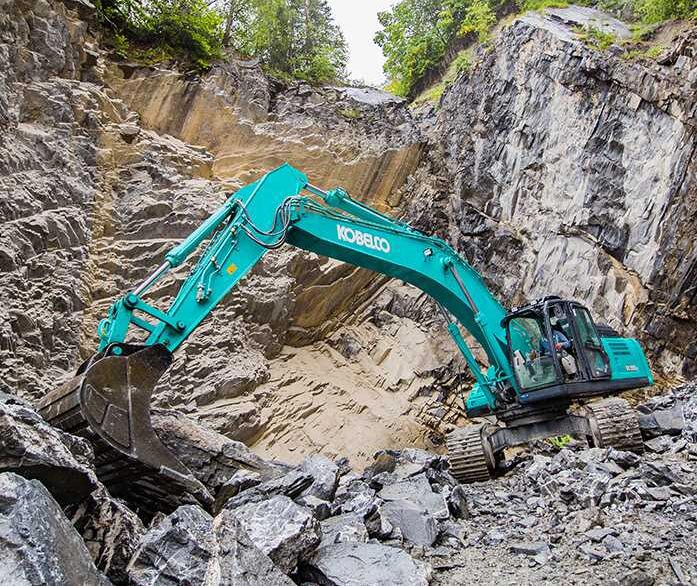
The new Kobelco SK520LC-11e is one of the latest generation of heavy excavators from the Japanese manufacturer. With an operating weight around 54 tonnes, the SK520LC has taken on the looks of a true heavyweight excavator.
Flexible processing for different materials
With a pile of mixed material in front of him, Albert steadily picks up, shakes the bucket and feeds the rock into the Finlay jaw crusher’s large hopper. An adjacent 50 tonne excavator feeds the material from the fresh cut toward Albert to load. “We try to process material by type,” Dan comments. “The yellow limestone is a softer material and can be crushed almost straight from the face. The harder blue material requires lifting and breaking before we can process it. With the blue limestone sitting on bands of clay, it is difficult to break in-situ, as the clay absorbs the impact from the hammer and reduces the effectiveness of our work.
“We have changed tack and started removing this material in slabs and breaking it once it’s out in the open. Having the more powerful Kobelco excavator doing this has also made the job easier and safer for us.”
The arrival of both machines from Molson, including another Finlay jaw crusher which is due imminently, marks a significant step forward for the quarrying and recycling teams at Webb. With a focus on reducing overheads, the reliability and fuel consumption savings offered by Finlay jaw crushers and Kobelco excavator will help the progressive haulier and recycling contractor to meet both their economic and environmental targets.