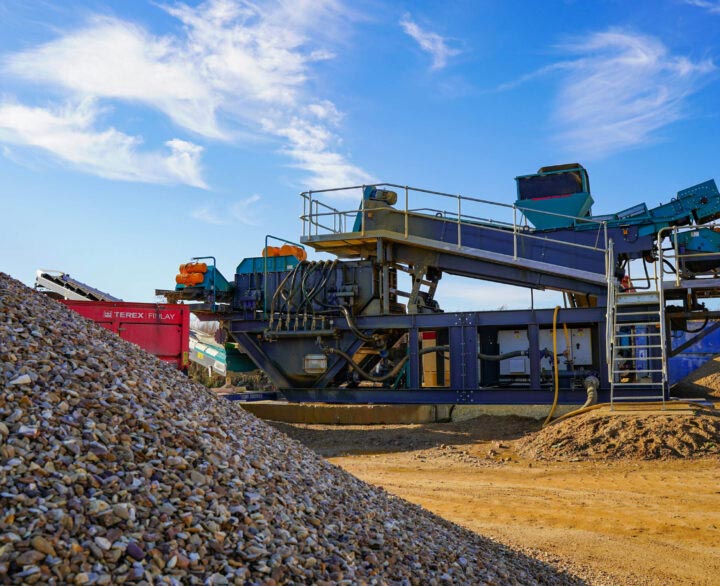
Based in Redruth, Harts Haulage has taken a big step forward by installing a new CDE wash plant. This investment, through Molson Washing, will transform how they handle construction waste, significantly reducing what goes to landfill by around 80%.
The Evolution of a Cornish Family Business
Harts Haulage has always been a hands-on, family-run operation. It started with Neil Hart anda few machines, taking on muck-away jobs and supplying aggregates to local sites across Cornwall. As the demand grew, so did the business, but their core values have never changed. They built a reputation for being reliable, down-to-earth and focused on looking after their customers – just like their main equipment supplier, Molson.
Transitioning from Dry Processing to Circular Solutions
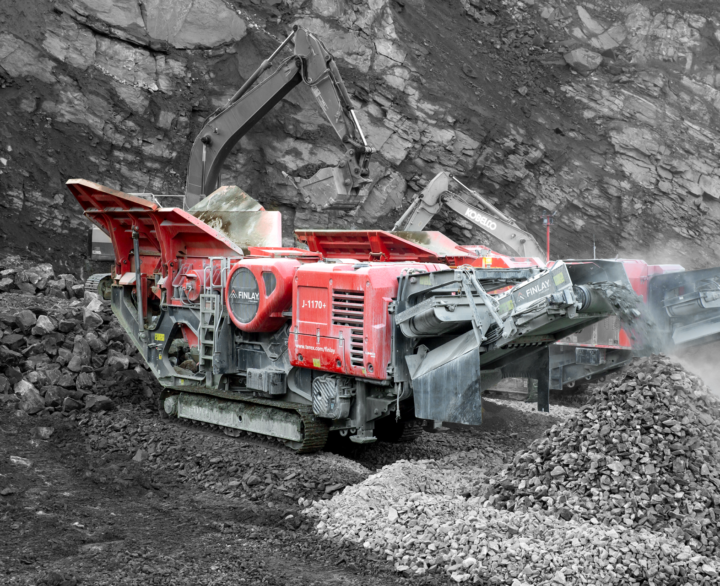
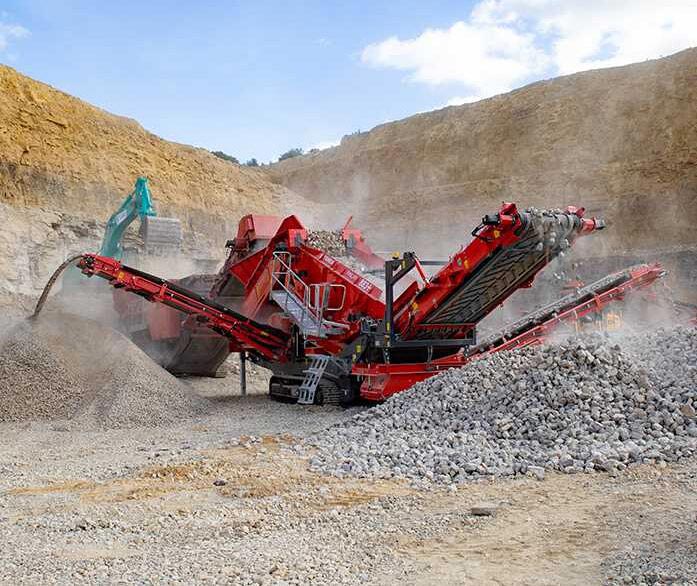
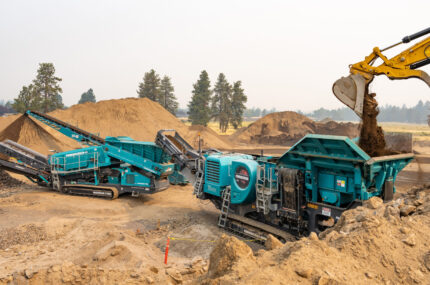
As the company’s focus shifted toward recycling and sustainability, they began transforming site waste into usable material for local builders and developers. Initially, the business dry-processed the material utilising a Finlay 883+ Heavy Duty Screener and a J-1170 Jaw Crusher sourced from Molson. Since then, they have added a 6F4 and a recycled 803 to their product range, giving customers more choice and allowing them to get more value from every load.
Overcoming Landfill Reliance and Contamination
Despite this process, Hart’s were still taking considerable volumes to landfill due to material being contaminated with clay and lightweights, and therefore not being suitable for dry processing. Harts needed to seek a solution that diverted this material from landfill and maximised the production of high quality, high value recycled sand and aggregates, which could be used as a replacement for natural materials in a range of construction applications.
Collaborating with Molson Washing for a Tailored Solution
The local Molson sales team recommended exploring a wash plant and introduced Neil to Matt Bunting, Managing Director of Molson Washing. Before suggesting any specific setup, Matt shared examples of successful installations he’d delivered for other customers and arranged site visits to see them in action. From there, Molson worked closely with Harts to create a solution tailored to their specific throughput capacity, required outputs and footprint.
On Molson’s recommendation, the decision to go with a CDE wash plant was an easy one. The full process, from initial planning to installation, took around seven months, with the Molson team supporting every step of the way.
The AggMax System
With the CDE wash plant, the washing process starts by feeding raw material into a heavy duty scalping screen, where the oversize is removed. The remaining material then enters the AggMax scrubbing and classification system, which combines pre-screening, scrubbing, organics removal, sizing, stockpiling, fines recovery and filtrates removal on a compact chassis. The integrated trash screen allows for the effective removal of organics and other lightweight contaminants, ensuring the production of the highest quality final aggregates.
EvoWash and VibroSync
From there, the finer fraction moves to the EvoWash. This part of the system uses hydrocyclones to wash, classify and dewater the 0–4mm sand. This means that Harts, who were previously treating this sand as waste, are now able to recover it as a high-quality, reusable product. Coarser material goes through the VibroSync sizing screen, which accurately separates the cleaned aggregates into 14mm, 20mm, and 40mm sizes.
Advanced Water Recovery and Slurry Management
Behind the scenes, the plant also takes care of water recovery. Slurry from the wash process flows to the AquaCycle, where flocculants help separate out solids. The clean water overflows back into the system for reuse, while the thicker slurry is pumped into a GEA CF 7000 centrifuge. The centrifuge separates the solids and liquid, with recovered water returned to the system for reuse and dewatered solids discharged for disposal.
Achieving Sustainability and Recycling Targets
Plant and Operations Manager Joe Grindrod said the new setup has completely changed the game for them: “The CDE wash plant helps us recover more, cut waste and hit recycling targets, all while delivering quality material.”
The impact of the CDE wash plant has been massive. Diverting up to 80% of waste from landfill not only helps the environment, but it also saves on disposal costs, improves efficiency and allows Harts to sell more recycled products to local builders. The result is fewer lorries heading to landfill and more high-spec recycled materials going back into the ground where they’re needed.
Ongoing Support and Long-Term Partnership
Once the CDE wash plant was up and running, the Molson Washing team stayed fully involved, delivering their industry leading support and servicing. They’ve been on hand whenever needed, whether it’s fine-tuning the CDE wash plant setup, helping the team get the most out of the equipment, or answering questions as new materials come through the yard. This ongoing support has made a real difference, giving Harts the confidence that whatever crops up, there’s always someone they can call who knows their CDE wash plant inside out.
Leading the Way in the Future of Construction Haulage
For Harts Haulage, this wasn’t just about upgrading equipment. It was about building something that works for the future. They’ve kept their focus on doing the job right, supporting local customers and staying adaptable in a changing industry. With a cleaner product range, a smarter plant and support from Molson and CDE, they’re not just keeping up—they’re leading the way.